
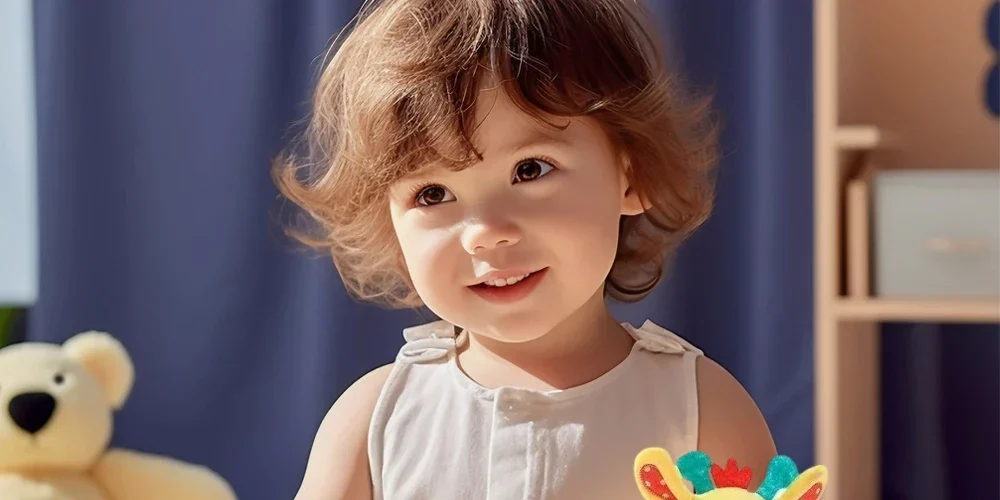
When it comes to dressing your little one, comfort is paramount. Babies spend the majority of their early months sleeping, feeding, and growing, and the clothes they wear can significantly impact their comfort and well-being. With so many adorable options on the market, it can be overwhelming for parents to choose the right clothing. However, understanding what makes a baby’s clothing comfortable can help guide your decisions, ensuring your little one is always cozy and happy. Here are five essential tips for choosing comfortable baby clothing.
One of the most important factors in choosing baby clothes is the fabric. A baby’s skin is delicate and sensitive, so you’ll want to choose fabrics that are gentle and breathable. Soft fabrics like cotton are the best choice as they are natural, hypoallergenic, and allow air to flow, which helps prevent overheating.
Cotton is especially ideal for babies because it’s soft on the skin, absorbent, and easy to care for. Organic cotton is a great option for parents who prefer products free from harmful pesticides or chemicals. Look for clothes that are made of 100% cotton or other natural fibers such as bamboo or linen. Avoid synthetic fabrics like polyester or nylon, as they can trap moisture and heat, leading to discomfort or skin irritation.
When shopping, check the clothing’s tags or product descriptions for fabric information. If you’re unsure, feel the fabric before buying — it should feel smooth and soft to the touch. You’ll also want to make sure that the clothing is breathable, especially for babies who are still developing their temperature regulation.
While style may be a consideration when choosing baby clothing, fit is crucial for comfort. Clothes that are too tight can irritate your baby’s skin, restrict their movement, and make them feel uncomfortable. Babies grow quickly, so it’s essential to buy clothing that offers a bit of room for movement, but is not too loose to the point of being impractical.
When shopping for baby clothes, opt for clothes that are labeled as “roomy fit” or “relaxed fit.” These items tend to offer extra space, allowing your baby to stretch, crawl, and move without feeling constricted. Additionally, avoid clothes with elastic bands or tight waistbands that might dig into your baby’s skin.
Another important consideration is the length of the clothing. For onesies and pajamas, choose sizes that aren’t too small, but also avoid buying too large. The goal is to ensure the clothing fits
well without restricting movement but still stays in place. Remember that babies grow quickly, so it’s often a good idea to size up to avoid constantly replacing clothes.
Babies tend to have unpredictable schedules, especially when it comes to feeding, diaper changes, and naptimes. That’s why it’s essential to choose clothes that are easy to put on and take off. Look for designs that feature snaps, zippers, or soft elastic waistbands to make changing your baby as quick and easy as possible.
Onesies with snap closures between the legs are ideal, especially for newborns and younger babies, as they make diaper changes a breeze. For older babies, dresses, shirts, and pants with elastic waistbands or stretchy fabrics can make dressing easier without compromising comfort. Avoid clothing with too many buttons or complicated fastenings, as they can be a hassle to manage, especially when you’re trying to get your baby dressed in a hurry.
For sleepwear, opt for zip-up pajamas instead of ones with multiple snaps or buttons. Zippers are especially helpful when you need to change your baby during the night and don’t want to disturb their sleep more than necessary.
Safety is always a top priority when selecting baby clothing. Babies tend to explore the world through touch and taste, which means their clothing should be free from potential hazards. Be mindful of the following when choosing baby clothes:
Baby clothes tend to get dirty quickly, whether from spills, spit-ups, or diaper leaks. That’s why choosing clothes that are easy to care for and durable is an essential consideration. Look for baby clothing that is machine washable and can withstand frequent washing without losing its softness or shape.
When purchasing clothing, consider the cleaning requirements. Opt for clothes that are low maintenance and can be tossed in the washer and dryer. Look for fabrics that are stain-resistant or easy to clean, as babies are known to have unexpected messes. Items like bibs, onesies, and burp cloths should be durable and able to endure multiple washes, so they’re always ready for use.
Additionally, make sure that any clothing you choose retains its softness after washing. Some clothes can become stiff or rough after being laundered, so be sure to read product reviews to see how well the fabric holds up over time. You’ll want your baby to be comfortable in their clothing, and that’s difficult if the fabric becomes harsh after repeated washes.
Conclusion
Choosing comfortable baby clothing is essential for your little one’s well-being and happiness. By focusing on soft, breathable fabrics, ensuring the proper fit, selecting easy-to-wear designs, prioritizing safety features, and opting for clothes that are easy to care for, you can create a wardrobe that keeps your baby cozy, safe, and stylish.
The clothing your baby wears plays a big role in their comfort, especially during the first few months of life. Remember to prioritize comfort, practicality, and safety when choosing clothing for your baby, and always keep an eye on how the fabric and design impact their daily activities. With the right clothing, your baby will be ready to face the world, one cozy outfit at a time.